Michigan legislators have only three weeks of scheduled sessions left before January brings a changing of the guard in the Senate and House, and Republicans say they don't have plans to approve any last-minute bills before they lose a majority in the House.
Although Michigan politicians are hoping to pass a replacement for the Single Business Tax, health insurance reform and a $4,000 merit scholarship, analysts doubt such legislation will pass in time before Democrats assume control of the House.
There's also doubt Republicans will spend time on bills likely to be vetoed by Democratic Gov. Jennifer Granholm.
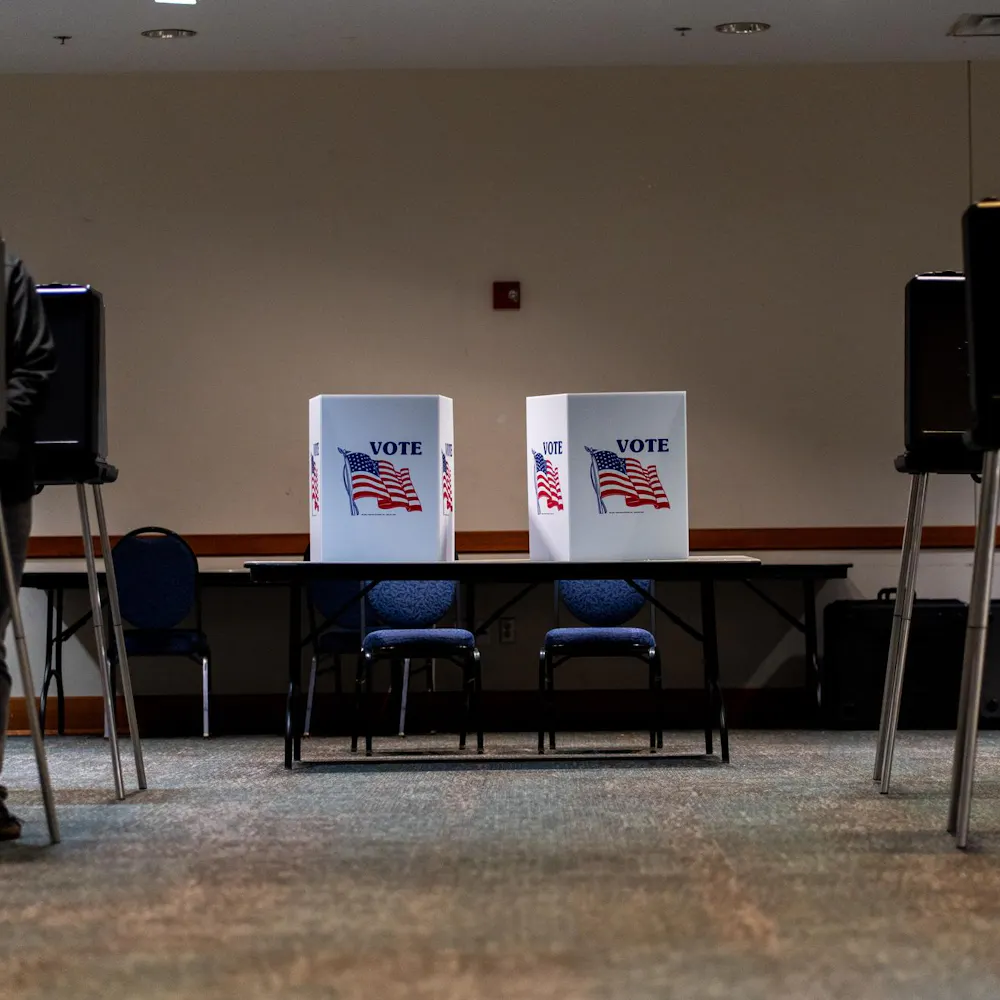
Democrats were elected the majority of the House on Tuesday with 58 out of 110 seats, but Republicans kept a majority in the Senate with 21 out of 38 seats.
New bills can't be drafted this late in the year, but they can be pushed to a vote if they have already been introduced by legislators, passed to committees or are waiting to be introduced.
All bills that have not been voted on by the end of this year are automatically killed and must be reintroduced in 2007.
Getting any legislation passed by the end of the year is unlikely with a Democratic governor and a Republican Legislature, said Douglas Roberts, director of the Institute for Public Policy and Social Research at MSU.
"Unless there is some sort of agreement between the current Republican House and Senate, I don't see why the legislators would work into the night for something that might be vetoed," Roberts said.
"I would not expect much to be done unless the governor asked for something."
Ari Adler, spokesman for state Senate Majority Leader Ken Sikkema, R-Wyoming, said the Republican Senate would like to pass a replacement for the Single Business Tax before the year ends, even though it could technically wait until next year.
Adler said Sikkema has plans of what criteria he would like to see in the tax replacement but is waiting for recommendations from the committee reviewing the issue.
The Single Business Tax, a 1975 tax that raised about $2 billion for the state's General Fund, is scheduled to end by 2007.
The bill for a replacement tax is currently being reviewed by a joint committee until it's presented Dec. 1.
"We plan to be active in the Senate, but we have a few things we want to try to address before the end of the year," Adler said.
Adler said the Senate would also like to tackle school employee health insurance reform and welfare reform.
Legislators will go through the motions and "wait and see" in these last few weeks, said John Chamberlin, a University of Michigan professor of public policy. The Legislature will remain "pretty quiet" with a Democratic House on the horizon, he said.
"Bargaining in January is more advantageous (for Granholm) than bargaining in December," Chamberlain said.
Granholm's spokeswoman Liz Boyd said the governor would be willing to discuss the Single Business Tax replacement, but her priority is with the $4,000 merit scholarship currently introduced in the House and Senate.