More than 2.1 million students between the ages of 18 and 21 drove under the influence of alcohol in 2006. College binge drinking continues to dominate college campuses in the U.S. and claims many lives.
Since the drinking age is 21, there is a significant amount of underage drinking on college campuses, especially at well-renowned party schools. Students resort to playing beer pong, buying 24-packs of beer and storing hard liquor in dorm rooms.
Many students choose to attend a particular college because of its reputation as a party school. Universities and the surrounding communities should work together in order to reduce underage drinking on college campuses and prevent future consequences.
It was 2 a.m. when high-pitched screams could be heard down the hall. Doors were open and beer bottles were in hand. This is a typical scene inside a college residence hall with underage students at MSU. Party days last all week with rowdy students behaving irresponsibly.
Many undergraduates who party often are sidetracked from their studies and career choices. Students feel they can put off coursework and part-time pursuits — both professional and personal — aside, referring to the fantasy that there’s always next year.
It seems the heaviest drinkers on college campuses are students who live in a fraternity, sorority or in a residence hall. Students tend to host lavish parties with large amounts of alcohol being consumed in crowds of students mostly under the age of 21.
Undergraduates need to understand that there are consequences associated with excessive drinking, including primary and secondary effects. These effects can include noise pollution, fatal alcohol poisoning and humiliation.
Alcohol also can have a negative consequence on studies. It seems the more a student drinks, the lower his or her grade point average will tend to be.
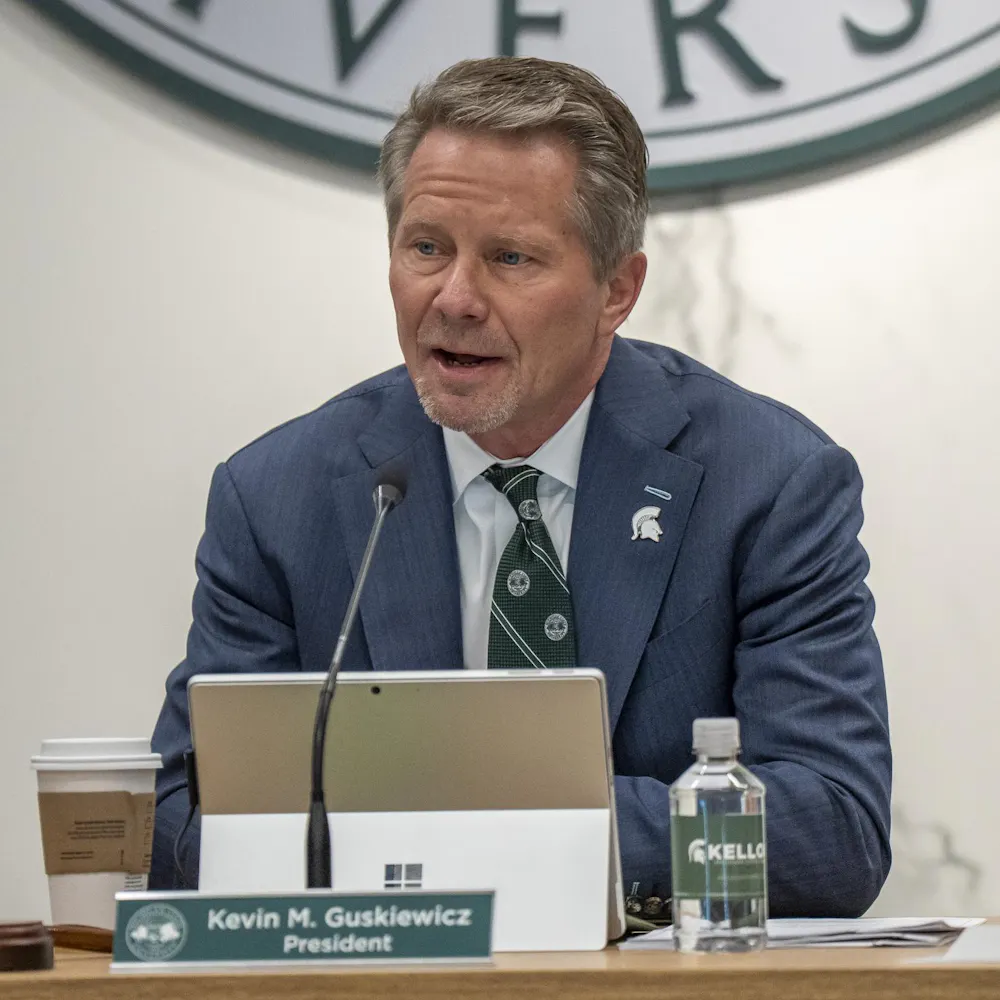
College presidents need to take the initiative to work with students and the police in the surrounding areas to abate the predicament of underage drinking. Presidents need to start enforcing the rules and cracking down on drinkers; even banning alcohol from campus altogether, which could result in opposition and retaliation from students.
Universities can create a student-to-student program where nondrinkers can peer mediate student alcoholics through education on the severe consequences of drinking.
A more drastic approach would be to have universities put into effect a point system similar to points awarded for driving infractions. Crimes committed on and off campus would be subject to the point system and students would have to submit themselves to a hearing, education programs, suspension or possibly expulsion.
Underage students need to understand that if they violate the law and drink under the age of 21, it is a misdemeanor and this will appear on their permanent records. Heavy drinking tends to be more prominent in rural campuses with fewer activities. Colleges should consider having more alcohol-free events, including bringing in entertainers, concerts, indie bands, or even have poetry readings as alternatives to heavy drinking or partying.
Numerous college presidents are lobbying together in the Amethyst Initiative in order to lower the drinking age from 21 to 18. The presidents presume that once the drinking age is lowered, it might help students to see alcohol at a younger age and drinking may not be that widespread of an issue once students enter college.
However, I believe lowering the drinking age will result in more alcohol-related incidents and college presidents should instead focus on offering other forms of entertainment and diminishing underage drinking. Universities should have the right to interfere with students’ personal lives if it affects their performance in the classroom.
As an alternative to lowering the drinking age, universities can work with local religious and community-based institutions to coordinate groups to advise against heavy drinking and the serious and severe consequences that can ensue.
This might even result in students getting involved with anti-drinking volunteer projects at the grassroots.
Anupama Sridaran
applied engineering sciences freshman
Support student media!
Please consider donating to The State News and help fund the future of journalism.
Discussion
Share and discuss “Students need to understand consequences of drinking” on social media.